Showing posts with label hair and scalp care. Show all posts

January 22, 2017

Hair Loss -> Hair Regrowth

On average, we have about 100,000-200,000 hair. On average, we shed 50-100 hair daily and our hair grow about ¼ inch each month. If we lose more than we grow, thinning of scalp hair and baldness will occur. This can be a devastating experience to both men and women. Find out any underlying cause. Hormonal changes (e.g. during pregnancy, menopause), chronic illnesses, thyroid problem, scalp infection, stress, mood, family history, overuse of hair styling products, poor nutrition can contribute to hair loss.

Some medications can also potentially induce hair loss. Some of the examples are: Oral acne medication (Accutane), warfarin, cholesterol medication (gemfibrozil, clofibrate), seizure medication, heart medication (beta blocker, ACE inhibitor, water pill), hormonal medication, some antidepressants, Parkinson medication, immunosuppressant and chemotherapy.
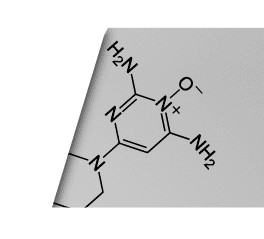
Topical medication: minoxidil for use on scalp twice daily has been approved to treat baldness for both men and women. It helps with hair regrowth, and a slower rate of hair loss.

Recent development of new non-medicinal ingredients has also been clinically proven to help providing thicker and fuller hair. Acetyl tetrapeptide-3 and trifolium pratense flower extract (rich in biochanin A) have been shown to inhibit 5-alpha reductase, that converts testosterone to DHT which cause miniaturization of hair follicles. Acetyl tetrapeptide-3 helps to improve the hair follicle length by 35% after 8 days of treatment. It also provides a repairing effect at the dermal epidermal junction level in helping hair anchoring.

Other ingredients that also contribute to hair and scalp health including Epolobium angustifolium extract, coenzyme Q10, therapeutic grade of cederwood, lavender and rosemary essential oil.

In addition, our body need to be well nourished with nutrients is also important to promote healthy scalp and hair. Avoid using hair products containing harmful ingredients are also essential factors that should not be overlooked.


Reference:
www.mayoclinic.org
www.medicalnewstoday.com

Read more…

January 15, 2017

How to take care of our hair & scalp?

During this winter season, you might have started to change your skincare routine. What about your hair and scalp? With decreasing humidity and increasing wind, our skin including our scalp can lose moisture very easily. To protect and promote our scalp and hair health, we got to take care of them from outside in and inside out. We should always keep ourselves hydrated with adequate amount of water intake daily. Maintaining a healthy diet is essential for hair and scalp health. Nutrients that are beneficial to our hair and scalp including but not limited to vitamin A - deficiency can cause dandruff
B vitamins especially biotin, riboflavin and folate are important for strengthen hair shaft and maintaining volume. Inadequate amount can potentiate hair loss.
Vitamin C, D enhances hair follicles health
Vitamin E protect hair from UV damage.
Minerals including copper, zinc, selenium, iron are all important in preventing hair loss, supporting hair growth and keeping hair shine.
Protein and omega 3 fatty acids are also important in hair growth and health.
Remember to keep yourself well hydrated and fully nourished to keep your hair and scalp healthy

What do we need from outside in to feed our hair and scalp?
Good fats moisturize scalp and strengthen hair shaft. They also help to prevent hair loss and add luster to hair.
- Essential oils like rosemary, lavender, peppermint and spearmint are good for promoting hair growth, good for dermatitis, eczema and dandruff.
- Sodium PCA helps to make hair shine and bounce
- Panthenol enhances the appearance and feel of hair, improves the texture of damaged hair.
- Argan oil helps to repair dry and damaged hair

* Don't forget to avoid harsh chemicals in your hair products (e.g. SLS, parabens, phthalates, synthetic fragrances and artificial colors)

Read more…